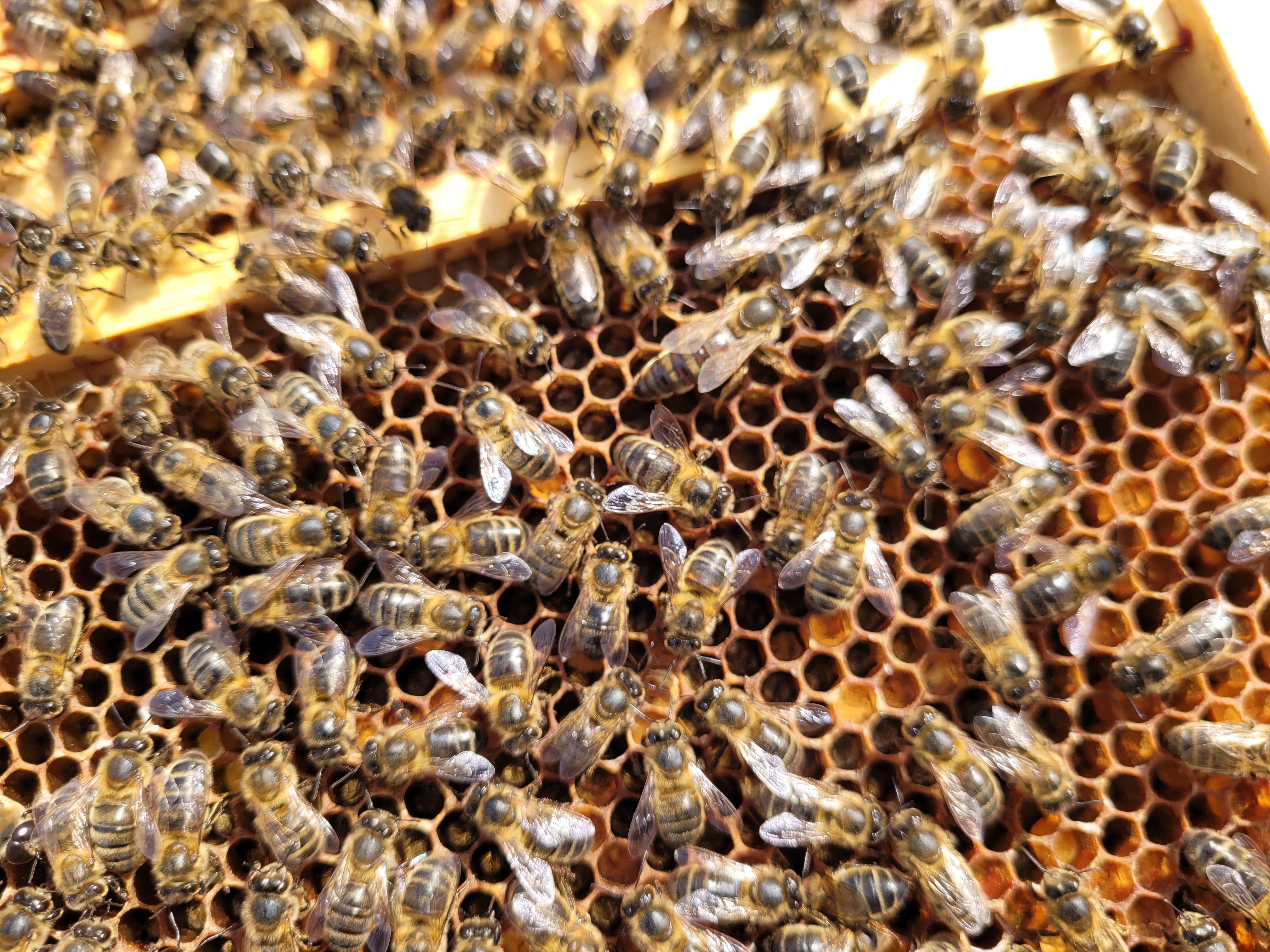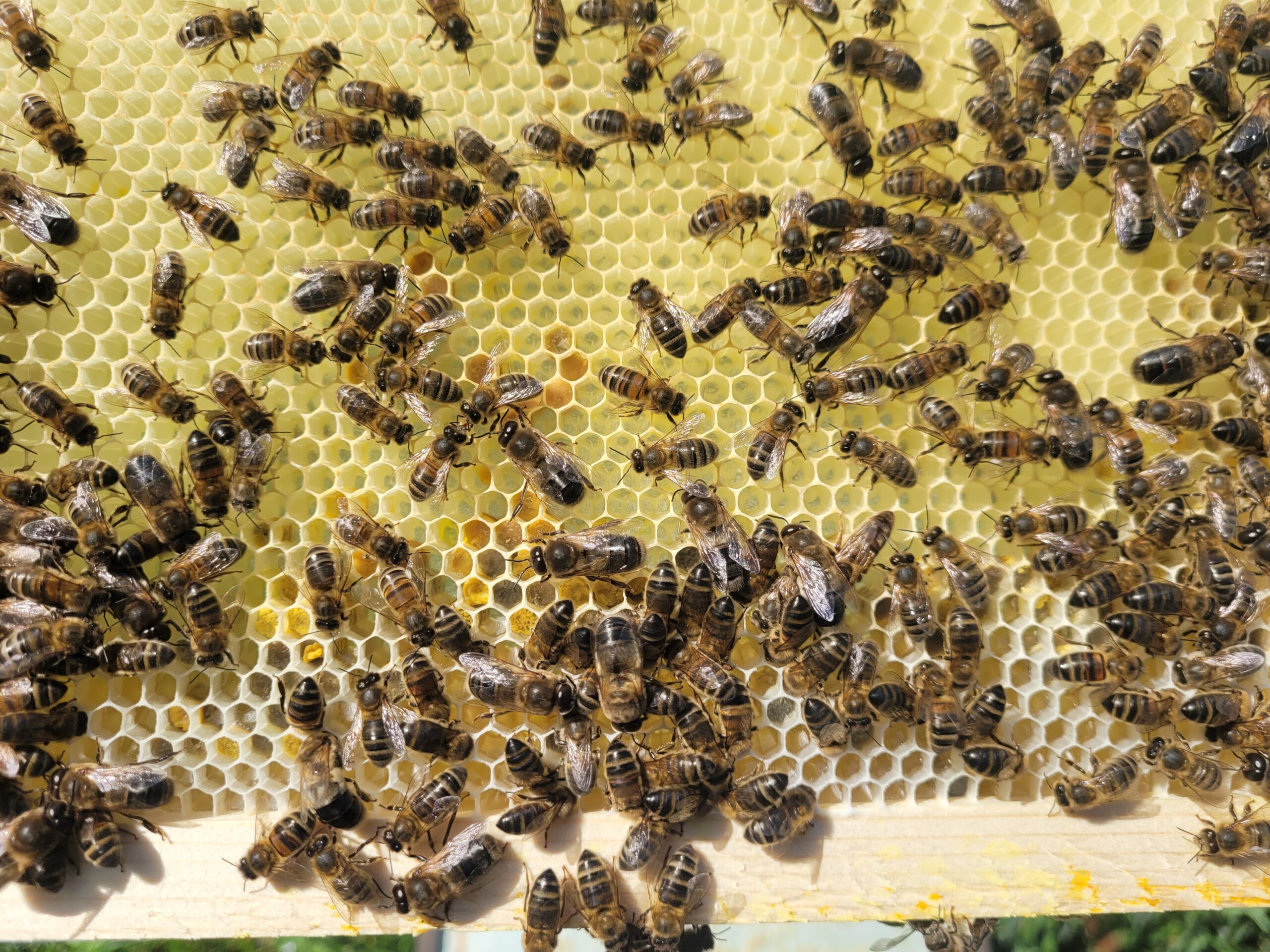
The native Irish honey bee, the Irish black bee or Apis Mellifera Mellifera is the only honey bee native to Ireland. It once covered the majority of Europe but its prevalence has diminished since the introduction of commercial honey production. Though this commercialisation of honey production would have been started in Europe with this species hundreds of years ago, beekeepers increasingly opted to use different species and created hybrids with the goal to increasing yields and scale of their operations. This move has given way to the AMM species existing mainly in the wild and becoming hybridised themselves over the years. In some circumstances, such as geographically isolated pockets in Europe, they have kept their genetic lines. Ireland being and Island still to this day has a high genetic percentage AMM but just like in Europe these genetics have been on the decline.
Hybridisation in Ireland is a direct result of the importation of none native honey bee queens and colonies by beekeepers. There is as yet no protected insects in Ireland and the only restriction even now in the importation of bees is they must have a health certificate attached to them. In reality colonies and queens are imported freely and with no restriction. Apart from the genetic implications diseases have been imported and the rise in cases is devastating to any beekeeping operation in Ireland.
Importation of none native species is happening because of the misconception that different species produce more honey than the native species meaning more profit for the beekeeper. While this may be true in continental countries with long hot summers and cold winters, we all know Irish weather is a completely different animal. AMM has lived in Ireland for thousands of years; they would have populated the country as weather conditions allowed at the end of the ice age when the ice caps receded north. Since then, they have adapted perfectly to our weather patterns and in my experience produce the same volume if not more honey that any species could in this environment. In some of our closest neighbouring countries where the preference of imported or hybridised bees is the status quo very little of their native species exists and is referred to as a feral bee no good for commercial use. While this may be true of the remanence of their own native species it is not a blanket truth about that whole species.
As beekeepers in Co Louth, we are fully behind the ongoing efforts of our association to promote AMM genetics and use it in honey production. Tests on members bees have identified high AMM genetic markers in the county and conservation of this is a priority to us all. Though all our colonies are AMM, year on year it’s a constant struggle to keep them that way. Because our queens are open mated, we have no control over which drones they mate with and can only be Identified by the adult workers from their brood afterwards. Hybridisation of our colonies has accounted for 80% of our reasons for re-queening colonies over the past three years, the remaining being poor mating seasons due to weather.
To Learn more about AMM and conservation visit our page
To become member of the Native Irish Honey Bee Society
Hybridisation visible on workers, drones and the queen herself.
Hybridisatiopn visible on all three castes
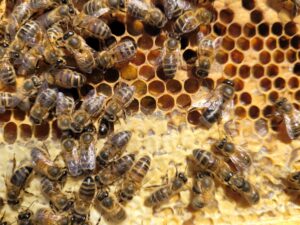
Hybridisation visible on workers but not on drones.
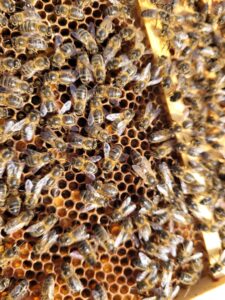
No Signe of hybridisation on workers, drones or queen

Another example of a Native Irish Honey Bees showing no sign of hybridisation.
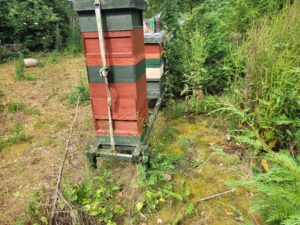
Honey production of Native Irish Honey Bees
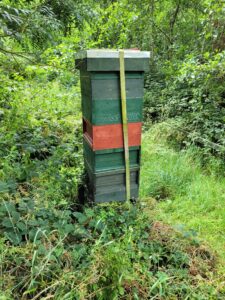
Honey production of Native Irish Honey Bees
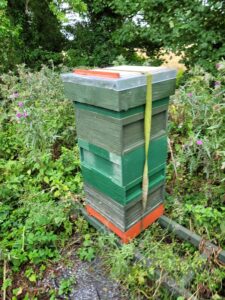
Honey production of Native Irish Honey Bees

Colony size and honey production of Native Irish Honey Bees
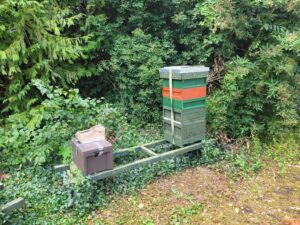
Honey production of Native Irish Honey Bees